
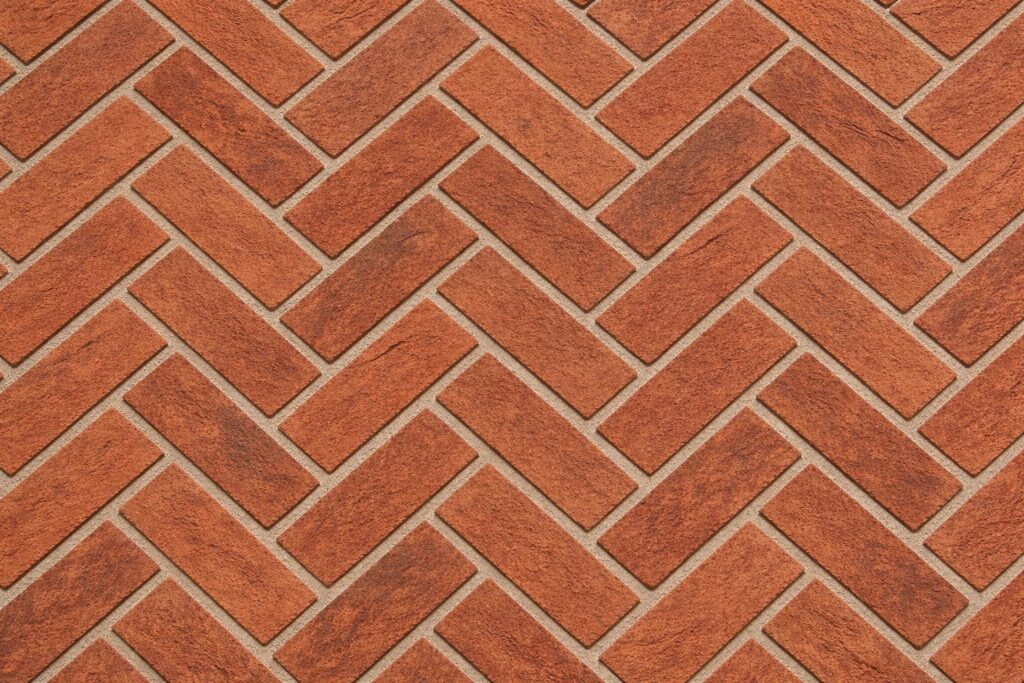
Herringbone is known for its eye-catching zigzag design that immediately stands out. Bricks are set at right angles to one another, creating a repeating interlocking pattern throughout the surface This layout produces a bold, decorative look that adds motion and visual interest to walkways and patios.
The 8 most popular Brick Patterns for walkways and Patios
The brick pattern you choose plays a bigger role than most people realize. It can make a walkway or patio feel clean and structured, or give it depth and character with more visual movement.
A pattern is not just about how the bricks are arranged. It influences how the entire outdoor space feels and how well it ties in with the architecture of your home.
Some layouts are chosen for their durability and stability. Others are all about detail and visual appeal. Understanding the purpose behind each pattern makes it easier to design a space that looks intentional and holds up over time.
Brick size matters too. Longer bricks are ideal for straight runs and simple designs, while smaller pieces allow for curves and more intricate layouts. When you know how different patterns perform, planning the project becomes much more straightforward.
Below are some of the most commonly used brick patterns that can elevate a basic patio or walkway into a well-designed, lasting feature.
1. Running Bond Pattern
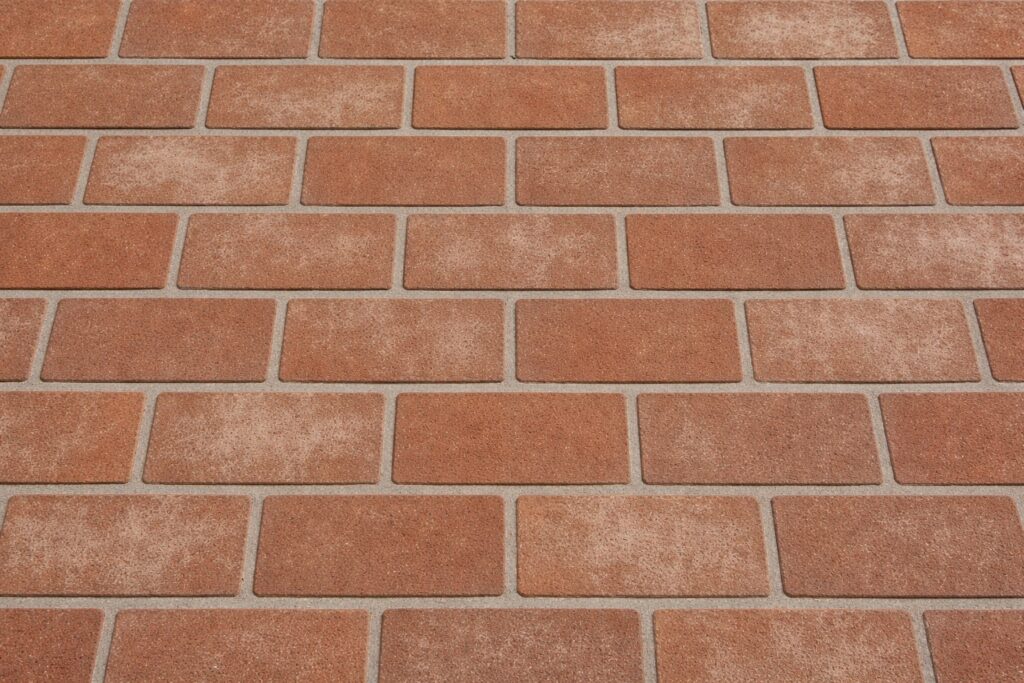
Running bond is one of the most common brick patterns used for walkways and patios.
Its straightforward layout makes efficient use of materials, with each row of bricks offset halfway from the rows above and below.
This staggered arrangement creates a strong, balanced look that feels simple, classic, and easy on the eye.
Why Running Bond Works for Walkways and Patios
Running bond creates a continuous visual flow that feels smooth and easy to follow. It works especially well in narrow walkways or long paths, where the eye naturally moves along the lines of the layout.
Beyond appearance, it offers real structural benefits.
The offset joints help spread weight evenly and reduce movement, which makes the surface more durable under regular foot traffic and changing weather conditions.
In larger patios, running bond delivers a balanced, timeless look without feeling too busy. In tighter garden paths, it emphasizes length and direction, helping smaller spaces feel longer and more intentional.
2. Herringbone Pattern
Why Herringbone Adds Strength and Style
Herringbone is one of the strongest brick patterns available. Because the bricks lock into one another, the layout resists movement under pressure, making it a solid option for driveways, high-traffic walkways, and larger patio areas.
The pattern handles repeated foot traffic and seasonal expansion without losing its shape or stability.
Beyond durability, herringbone delivers strong visual appeal. The angled layout adds depth and motion, giving even simple brick materials a more refined, high-end look.
3. Basket Weave Pattern
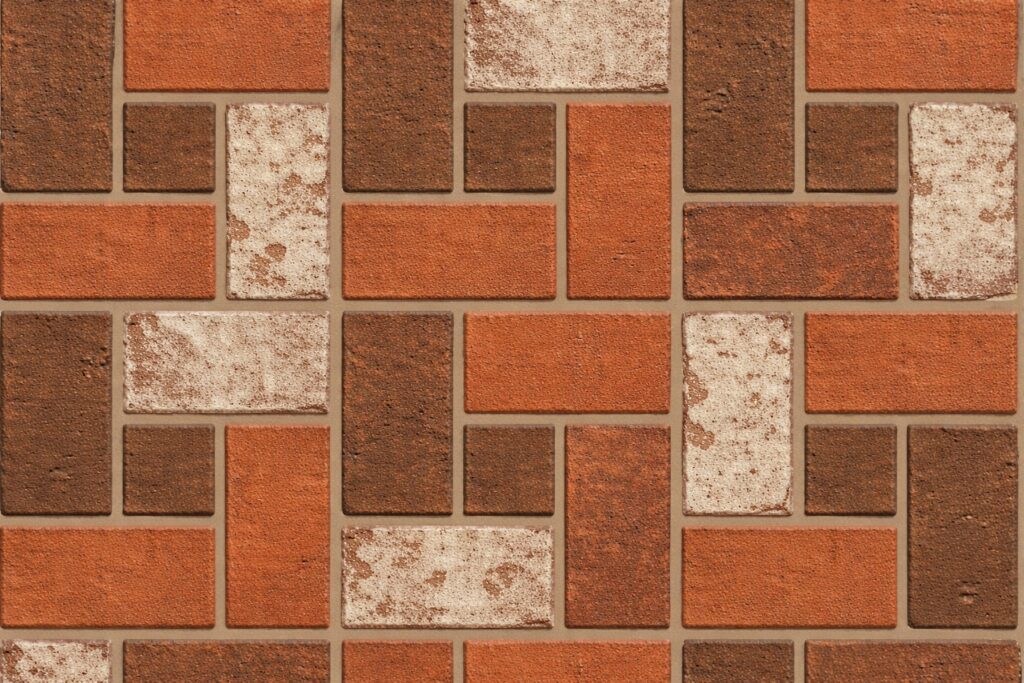
Basket weave forms a grid-like layout by alternating pairs of bricks set vertically and horizontally.
The repeating pattern mimics the look of woven strands, which is where the style gets its name. It creates a classic, old-world appearance commonly used in colonial patios and traditional garden walkways.
Why Basket Weave Works Well in Traditional Outdoor Spaces
Basket weave brings a sense of balance and classic charm to an outdoor space. The repeating blocks create a structured, symmetrical look that pairs well with older homes and traditional architectural styles.
It performs best in square or rectangular layouts, where the pattern can remain consistent without needing extra cuts or transitions.
The design holds up well under regular foot traffic while keeping the surface visually calm. It adds variation without feeling cluttered and allows the natural color differences in each brick to stand out. This makes it a strong choice for adding contrast while maintaining a simple, timeless look.
4. Stack Bond Pattern
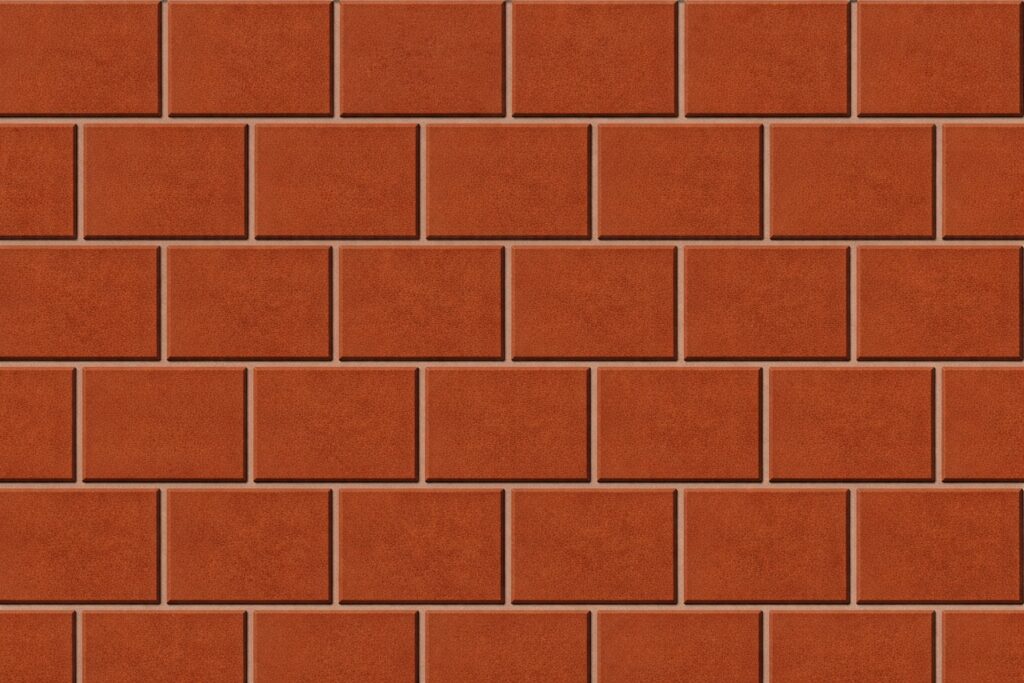
Stack bond features a simple, orderly layout where each brick is aligned directly above the one below it. The joints form straight vertical and horizontal lines, creating a crisp grid pattern with a clean, modern look.
Why Stack Bond Fits Contemporary Outdoor Designs
Stack bond emphasizes balance and precision. Because the bricks are aligned without any offset, the pattern creates a uniform, geometric appearance.
It delivers a sleek, polished look, especially when used with smooth brick finishes or subtle, neutral color palettes. This style is commonly seen in modern patios, rooftop spaces, and contemporary garden walkways.
Since the joints align straight through the pattern, stack bond does not offer the same structural strength as staggered layouts. It is best suited for low-traffic areas or installations that include added support, such as reinforced mortar or backing systems.
5. Pinwheel Pattern
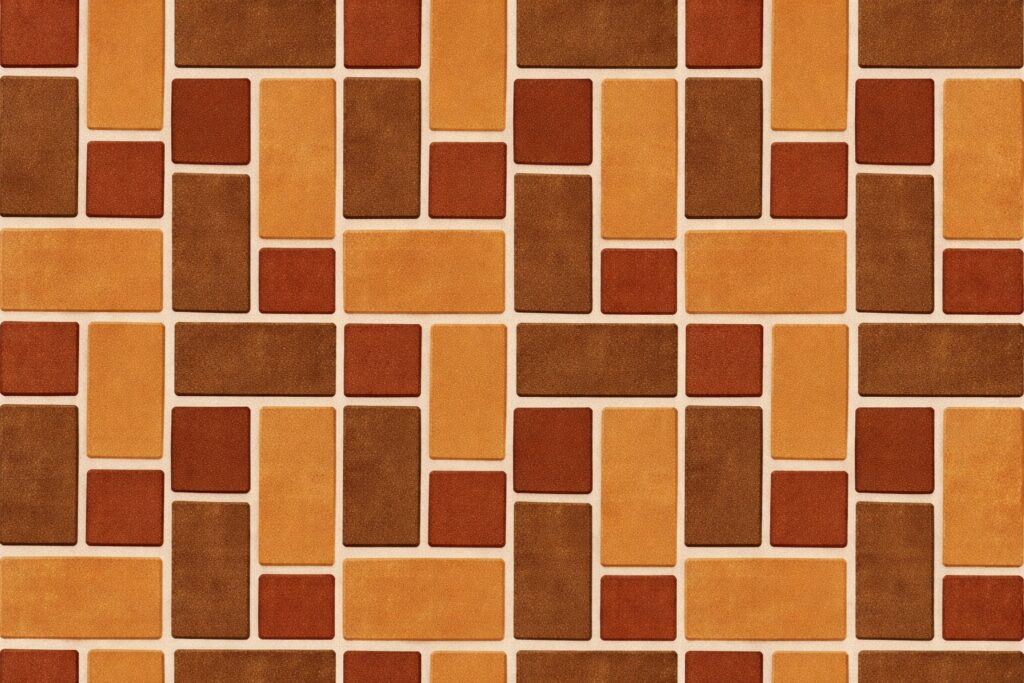
The pinwheel pattern is made up of four rectangular bricks arranged to form a square, with a smaller square or half brick set at the center.
This layout creates a subtle rotating effect, similar to a pinwheel, which adds visual focus and geometric flow to patios and walkways. It introduces movement in smaller areas while showcasing detail and craftsmanship.
Why pinwheel has great aesthetic
Pinwheel is best suited for smaller spaces where detail makes an impact. The repeating clusters move away from straight, linear layouts and introduce a more dynamic surface. Each section becomes its own visual feature, adding texture and interest.
Compared to simpler patterns like running bond or stack bond, pinwheel leans more decorative in its overall effect.
The design also allows for creative use of color and texture. A contrasting center brick is often used to define each pinwheel, and when the pattern is repeated across a surface, it creates a layered, artistic look that feels intentional and refined.
6. Chevron Pattern
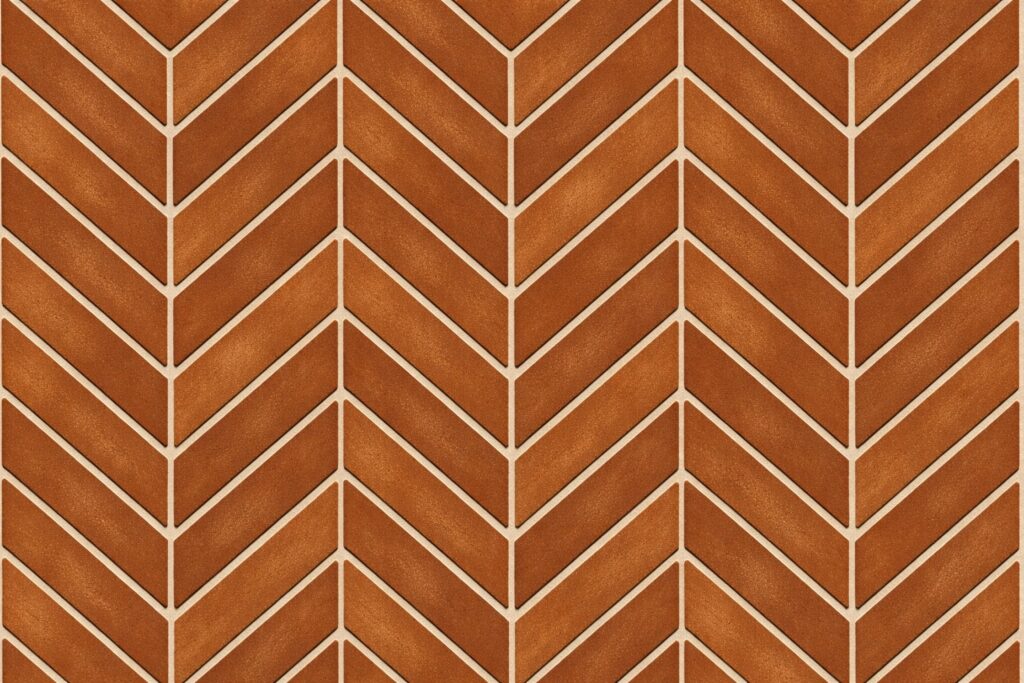
Unlike herringbone, where bricks intersect at right angles, chevron aligns each piece end to end to form a continuous V-shaped pattern.
This creates a smooth, flowing layout with a polished look that feels modern and well balanced.
Why Chevron Stands Out
Chevron adds a refined feel to outdoor spaces. The continuous zigzag pattern creates clear direction and depth, naturally guiding the eye across the surface.
It works especially well for patios that need strong visual structure or walkways where movement and flow enhance the design.
Installation requires precision. Each brick is typically cut at exact angles, often 45 degrees, to maintain the seamless pattern. While this increases labor and cost, the finished result delivers a crisp, high-end appearance.
7. Dutch Bond Pattern
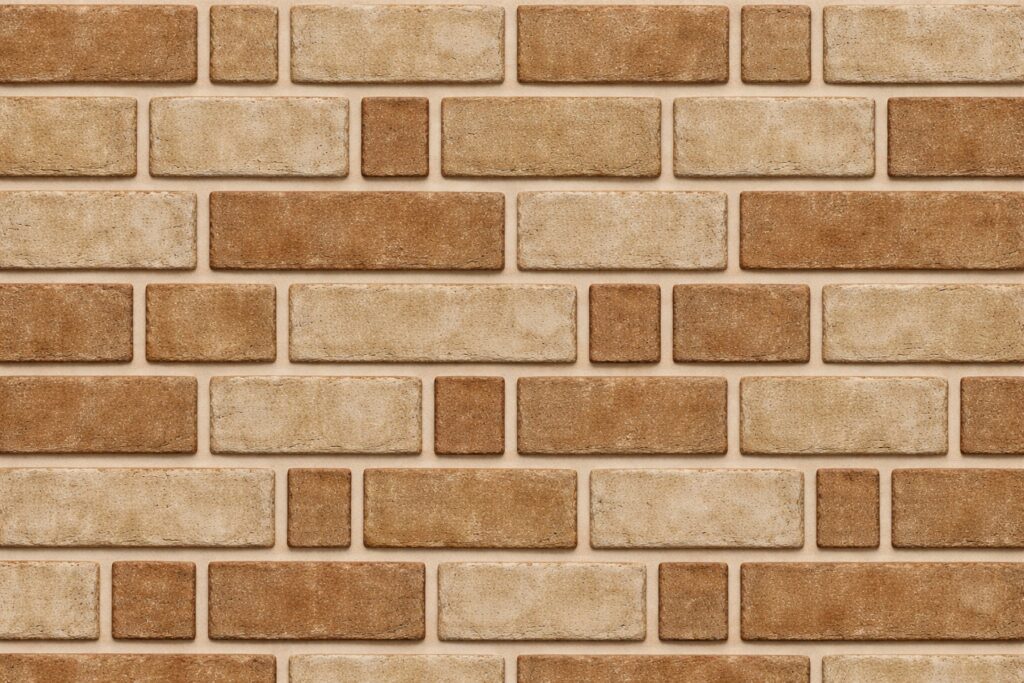
Dutch bond uses a repeating pattern of full bricks and half bricks arranged in alternating rows. This classic layout has long been associated with historic and traditional architecture.
The subtle changes in spacing add depth and visual texture, giving the surface a timeless, old-world character.
Why Dutch Bond Feels Timeless
Here’s a clean rewrite that keeps the meaning but sounds fully original:
Dutch bond has its origins in European design, commonly seen in traditional courtyards and garden walls. It introduces subtle movement without relying on the sharp angles found in patterns like herringbone or chevron.
Each row feels intentional yet relaxed, striking a balance between structure and craftsmanship.
From a performance standpoint, Dutch bond holds up well under foot traffic. The alternating joints help spread weight evenly and minimize stress, making it a dependable choice for outdoor surfaces.
8. Diagonal Basket Weave Pattern
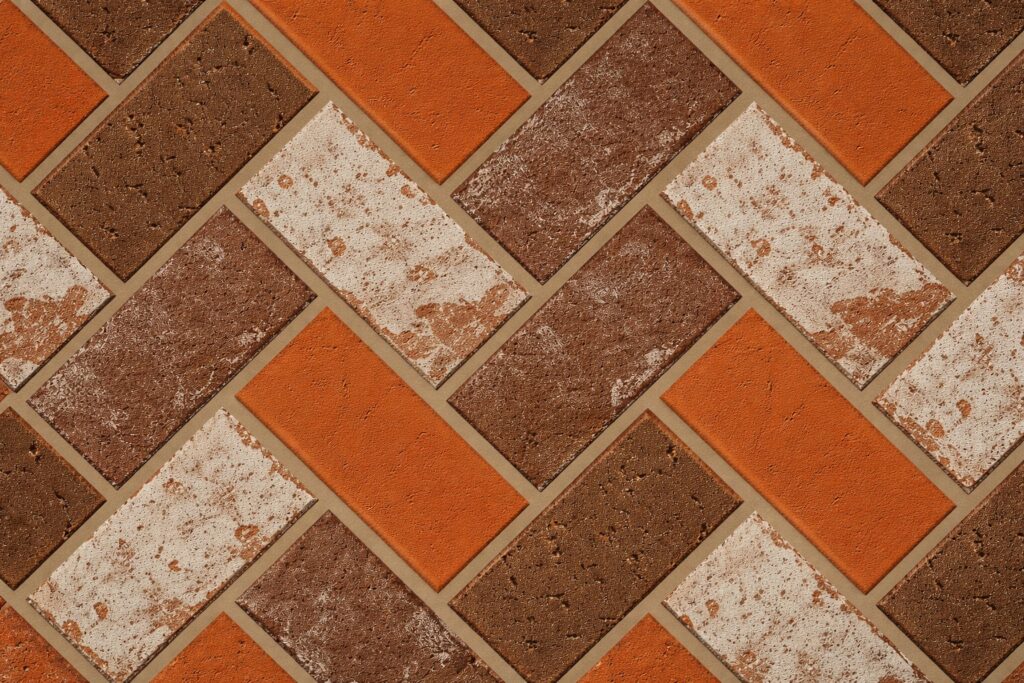
Diagonal basket weave rotates the traditional basket weave pattern on a 45-degree angle. This change in orientation takes a simple grid and turns it into a more dynamic layout with added movement and visual interest.
The result combines the familiarity of a classic pattern with a more creative, angled look.
Why Diagonal Basket Weave Stands Out
The pattern keeps the same alternating brick pairs, but the entire layout is set on a diagonal rather than running straight.
This angled orientation naturally pulls the eye toward focal points, making it a strong choice for entryways, garden paths, or patios that lead to a central feature.
It can also make smaller spaces feel wider by directing attention outward across the surface.
In Summary
Brick patterns influence both the look and performance of an outdoor space. Each layout creates a different feel. Running bond offers simplicity and order. Herringbone brings strength and movement. Basket weave adds structure with classic charm.
The pattern you choose plays a big role in how a walkway or patio comes together. Some layouts guide the eye and create flow, while others add definition and precision. The goal is to match the pattern to how the space will be used and how it’s meant to feel.
When chosen well, a brick pattern transforms basic materials into a feature that complements your home. Clean lines, natural texture, and balanced color work together to create an outdoor surface that feels finished and built to endure.